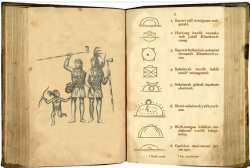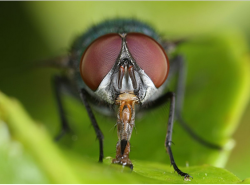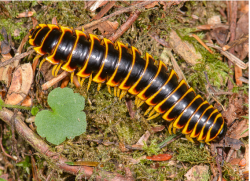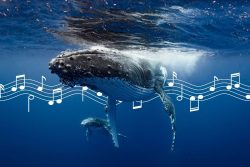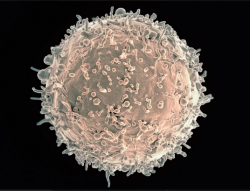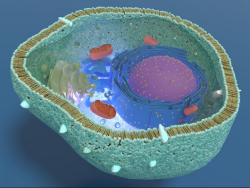
What would the typical living cell look like if enlarged to the size of New York City? Let’s take an imaginary journey through the cell.
Creation
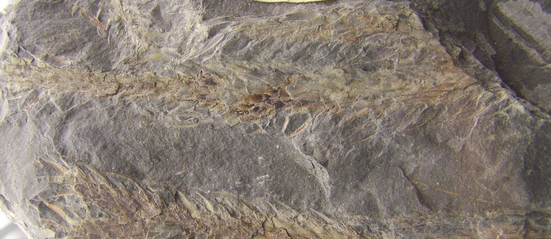
100-Foot Ferns
Charles Darwin’s On the Origin of Species opened the modern era of evolutionary thinking. The very name of his book suggests that as we look back in time, we should see fewer kinds of animals. Darwin led many people to think that there should be a greater variety of plants and animals today than in the distant past. And, those plants and animals should be more sophisticated today.
Continue reading →Why Don’t You Rust?
Did you ever wonder why you don’t rust? Before you laugh, remember—iron is not only a major part of your blood, it is used to attract the oxygen that is carried by your blood to the rest of your body. And you know what happens when oxygen meets the iron in your car or a tool that is left outside overnight—rust! So, why don’t we rust?
Continue reading →
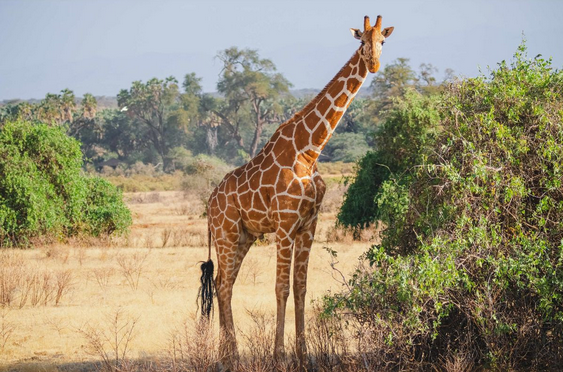
Giraffes in Antigravity Suits
There are some wonderful designs that help make the giraffe possible. The giraffe has a strong heart to pump blood all the way up to its head and strong arteries to withstand the high blood pressure needed to carry the blood to its head. We have also talked about the giraffe’s so-called “wonder net,” which is a network of blood vessels that helps to stabilize the blood pressure in the giraffe’s head even when it raises and lowers its head.
Continue reading →
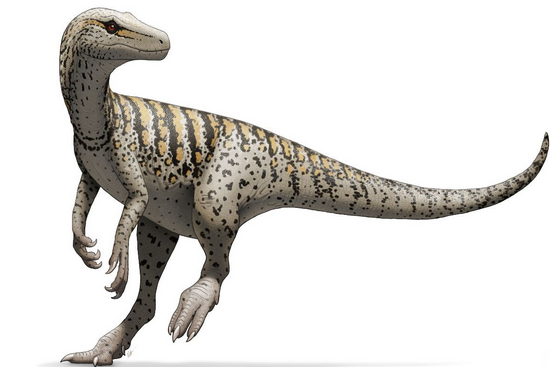
The Oldest Dinosaur
Many people mistakenly believe that dinosaurs prove evolution. After all, dinosaurs are strange creatures and seem to represent a very different world from the one we know today. But a discovery of one of the most ancient dinosaurs challenges this.
Continue reading →